Show index Hide index
- Essential Characteristics of Popular Gluten-Free Flours
- Almond Flour – Moisture and Richness for Tender Bakes
- Coconut Flour – High Fiber with Absorbent Power
- Rice Flour – Neutral Taste and Versatile Use
- Sorghum Flour – Sweetness and Antioxidant Boost
- Tapioca Flour – Chewiness and Binding Power
- Arrowroot Flour – A Delicate Thickener for Sauces and Bakes
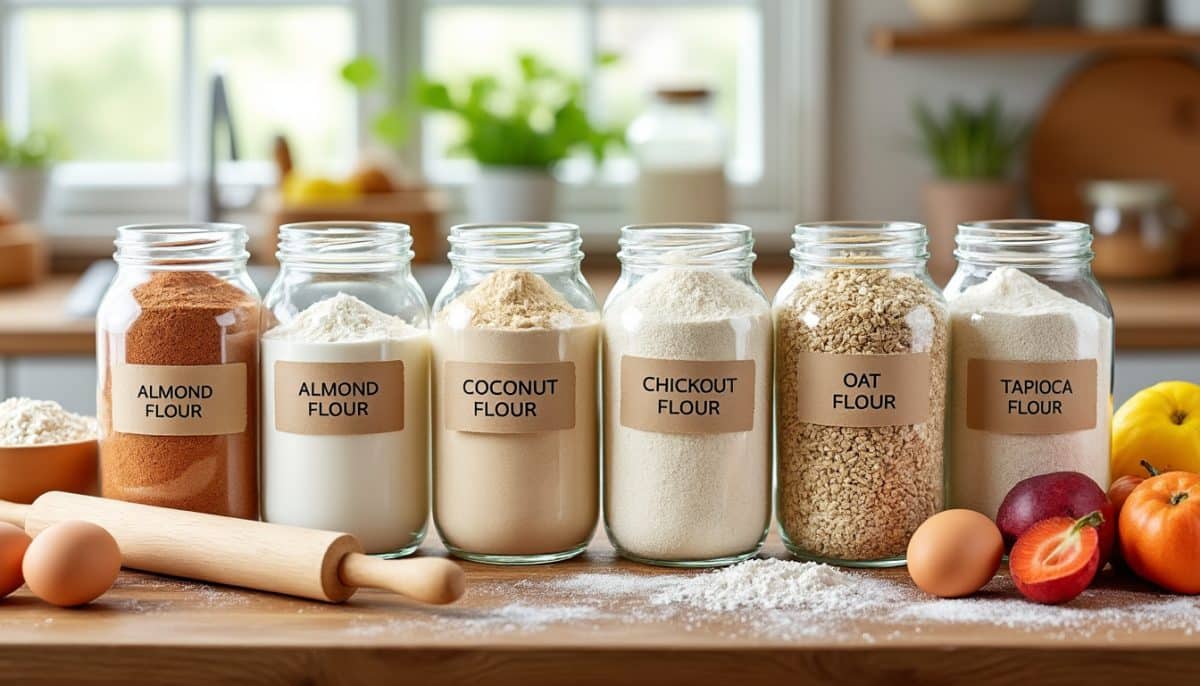
Adopting a gluten-free lifestyle or simply looking to explore new baking ingredients can feel overwhelming with so many flour options available. Gluten-free flours vary widely in texture, taste, and baking properties, and using the right one can make all the difference in your recipes. Whether you’re aiming for fluffy pancakes, tender cakes, or chewy bread, knowing which gluten-free flour to choose is essential. Here’s everything you need to know about the 6 gluten-free flours you must know to bake and cook with confidence.
Essential Characteristics of Popular Gluten-Free Flours
Each gluten-free flour brings unique qualities to your kitchen that influence texture, taste, and nutrition. These flours are made from grains, nuts, seeds, or roots, and unlike wheat flour, none contain gluten, which means your usual baking techniques need adjustments. For reliable results, consider how each flour behaves and how it complements others when blending.
Almond Flour – Moisture and Richness for Tender Bakes
Almond flour is a top choice for those seeking moist and tender baked goods. It adds a delicate nutty flavor and is packed with healthy fats, vitamin E, and protein. This flour shines in cookies, cakes, and low-carb recipes. Its fine texture ensures a soft crumb, making it a favorite for grain-free and paleo-friendly baking demands.
Since almond flour does not bind like gluten, it’s often best combined with binding agents or other flours for bread or structured recipes. Brands like Anthony’s Goods and Bob’s Red Mill provide high-quality almond flour perfect for a range of uses.
Coconut Flour – High Fiber with Absorbent Power
Coconut flour stands out with its naturally sweet note and impressive fiber content. Highly absorbent, it demands more eggs or liquid in recipes to prevent dryness and crumbliness. Ideal for muffins, pancakes, and softer baked items, coconut flour’s dense texture requires careful liquid balance to achieve the right softness.
Due to its unique properties, it’s often blended with other flours like almond or arrowroot to balance moisture and structure. Trusted brands to consider include Simple Mills and King Arthur Baking Company.
To read Christmas Baking: Essential Tools and Recipes
Rice Flour – Neutral Taste and Versatile Use
Rice flour offers a light, smooth texture and neutral flavor profile that integrates seamlessly into many gluten-free recipes. White rice flour provides a fine crumb, while brown rice flour adds nutritional benefits such as extra fiber. It’s a staple for gluten-free mixes, tempura batters, and Asian-inspired dishes requiring a delicate, crisp texture.
Reliable sources like Namaste Foods and Schar produce consistent rice flours favored by many bakers.
Sorghum Flour – Sweetness and Antioxidant Boost
Sorghum flour, with its mild sweetness and rich antioxidant content, contributes a soft texture and slight earthiness. It is excellent in bakery products like muffins, flatbreads, and multigrain gluten-free breads when mixed with lighter starches like tapioca. Sorghum improves moisture retention and crumb softness, making it a desirable addition to flour blends.
This flour perfectly complements blends from Pamela’s Products or Cup4Cup, enhancing both flavor and structure.
Tapioca Flour – Chewiness and Binding Power
Extracted from the cassava root, tapioca flour adds chewiness and elasticity. It is instrumental in creating crisp pizza crusts, soft flatbreads, and chewy cookies while also serving as an excellent thickener for soups, sauces, and pie fillings. Tapioca flour is fat-free and contributes to a pleasant texture unmatched by many other gluten-free starches.
Anthony’s and Arrowhead Mills provide trusted tapioca flour options to keep in your pantry.
Arrowroot Flour – A Delicate Thickener for Sauces and Bakes
Arrowroot flour’s flavorless and odorless nature makes it perfect for thickening without affecting taste or clarity. It blends well with other flours to improve moisture and texture, making it valuable in puddings, sauces, and baked goods. Its quick-thickening ability is a reliable replacement for cornstarch in many recipes.
To read Christmas Cake Pops: 4 Decorating Techniques Anyone Can Master
Top-quality arrowroot flour from brands like King Arthur Baking Company and Bob’s Red Mill is widely available and highly recommended by gluten-free baking experts.
Whether you rely on pre-mixed blends or experiment with your own combinations, knowing how these six gluten-free flours behave will transform your cooking. From the moist richness of almond flour to the binding strength of tapioca and the light thickening power of arrowroot, these flours cover a broad spectrum of baking needs. For comprehensive advice and recipes that bring out the best in these flours, visit resources like RecipesByAbbie, MadeleineKitchen, and WiO SmartFoods.
Have you tried blending any of these flours for your gluten-free baking? Share your favorite combinations and recipes in the comments to help others on their gluten-free journey.
Looking for practical applications of these flours? Check out gluten-free pizza dough recipes at Neuchcup or baking tips for gluten-free bread techniques here to level up your baking game.

