Show index Hide index
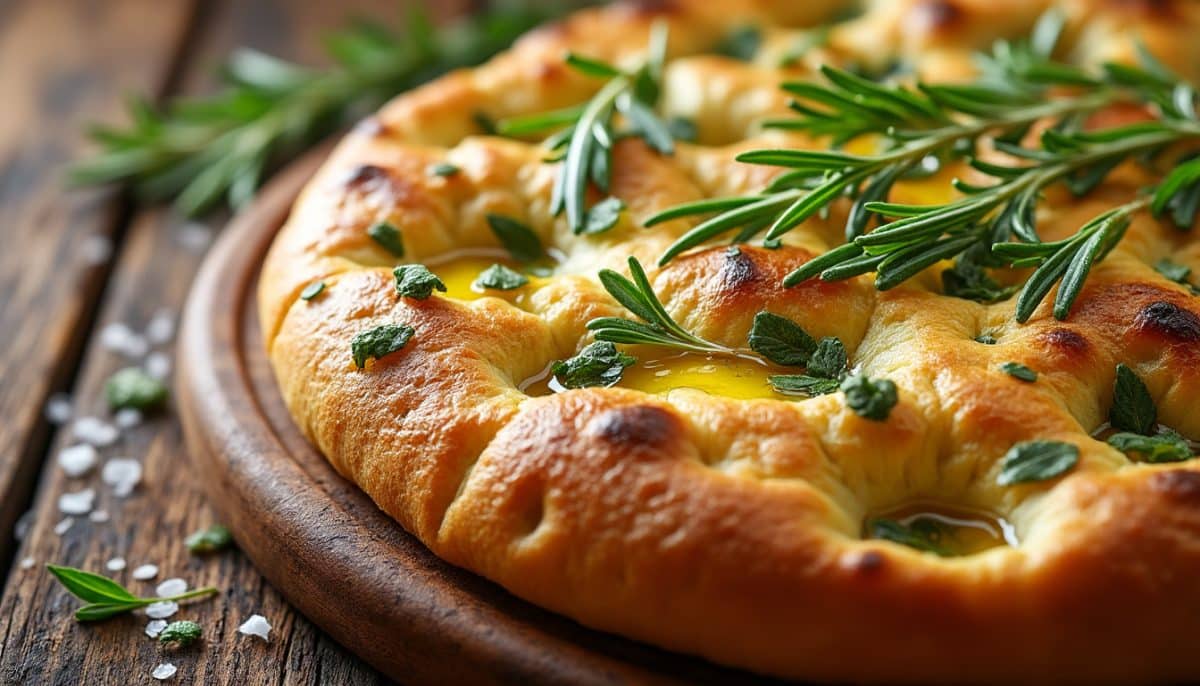
Finding a truly satisfying gluten-free focaccia can be challenging—airy on the inside and crisp on the outside without any gluten. Yet, avoiding gluten doesn’t mean missing out on this Italian classic. This guide unveils the secrets to achieving a perfectly herb-crusted, gluten-free focaccia that combines softness, crunch, and vibrant flavors. Here’s everything you need to know about gluten-free focaccia herb-crusted perfection.
Key Ingredients for Gluten-Free Herb-Crusted Focaccia
The foundation of an excellent gluten-free focaccia starts with the right ingredients. Using a gluten-free all-purpose flour blend with xanthan gum is essential for texture and structure. Brands like Schär, Udi’s, and Bob’s Red Mill offer excellent blends suited for yeast baking. Rapid-rise or instant yeast like Fleischmann’s or Red Star provides a reliable rise, and baking powder gives an extra lift to the dough.
Olive oil doesn’t just add richness—it’s crucial for the signature golden, crispy crust, while fresh rosemary and other herbs offer a fragrant finishing touch. Honey feeds the yeast, but for a vegan option, granulated sugar is a perfect substitute.
Mastering the Dough: Hydration and Rising Tips for Fluffy Focaccia
Gluten-free focaccia dough is characteristically soft and sticky. This high-hydration dough may feel different if you’re used to traditional bread, but it’s essential for that tender crumb. Using the spoon-and-level method to measure flour prevents dryness and heaviness in the loaf.
Make sure your yeast is fresh and your water is warmed between 110-115°F—too hot and you risk killing the yeast. The dough’s rising in a warm environment, such as an oven set to 100°F, encourages a light and fluffy texture.
Creating dimples in the dough before baking helps olive oil penetrate deep into the bread, resulting in pockets of flavor and a crispy crust. Baking on the top rack ensures perfect browning.
To read Christmas Baking: Essential Tools and Recipes
Five Steps to Herb-Crusted Gluten-Free Focaccia Perfection
- Prepare the yeast mixture: Dissolve honey or sugar in warm water and whisk in your instant yeast, letting it become frothy for about 5 minutes.
- Mix dry ingredients: Combine your gluten-free flour blend, baking powder, and salt thoroughly to ensure even distribution.
- Combine wet and dry: Add olive oil and apple cider vinegar for moisture and tenderness, then mix the watery yeast blend with the dry ingredients into a sticky batter.
- Rise the dough: Cover the sticky dough and let it rise for 30 minutes in a warm spot to allow airflow and yeast activation.
- Shape, dimple, and season: Transfer to an olive oil-coated pan, gently spread into a 1-inch thick rectangle, dimple with fingertips, drizzle olive oil, and sprinkle fresh rosemary with sea salt before baking at 400°F for 20 minutes.
Broil for an additional 30 seconds to 1 minute for a golden crust—carefully monitored to avoid over-crisping.
Creative Uses and Pairings for Gluten-Free Herb Focaccia
This herb-crusted focaccia is a versatile base. Use it as a sandwich bread or pizza crust, or enjoy it alongside soups like roasted garlic and tomato. Its crisp-herbicious charm is heightened next to dishes like grilled lemon herb chicken or a fresh Caprese salad.
For those exploring flavorful options, experiment with toppings such as olives, sun-dried tomatoes, or caramelized onions to personalize your bread. Brands like King Arthur Baking and Gluten-Free Goddess also introduce inventive developments on traditional focaccia.
How to Store and Reheat to Keep That Perfect Texture
Store your gluten-free focaccia in an airtight container at room temperature for up to two days or freeze it for up to two months. Thaw at room temperature carefully before reheating. For that freshly baked crispiness, warm your slice in a preheated 350°F oven for about 10 minutes or use an air fryer at 320°F for 3-5 minutes.
These careful storage and reheating methods preserve the delicate balance of the soft interior and crispy, herb-crusted exterior.

