Show index Hide index
- Classic Fettuccine: Versatile Gluten-Free Pasta for Rich Sauces
- Crafting Fluently with Basic Tools or Pasta Machines
- Delicate Ravioli: Gluten-Free Filled Pasta for Creative Meals
- Pairing Ravioli with Light Sauces
- Rustic Rotini: Gluten-Free Spiral Pasta for Baked and Tossed Dishes
- Cooking Tips for Gluten-Free Rotini
- Elegant Pappardelle: Wide Gluten-Free Ribbons for Bold Sauces
- Balancing Texture and Flavor in Pappardelle
- Hearty Penne: Gluten-Free Tubular Pasta for Hearty Recipes
- Baking with Gluten-Free Penne
- Playful Fusilli: Twisted Gluten-Free Pasta for Colorful Presentations
- Ensuring Fusilli Holds its Shape
- Wide Lasagna Sheets: Gluten-Free Layers for Classic Comfort
- Tips for Flawless Gluten-Free Lasagna
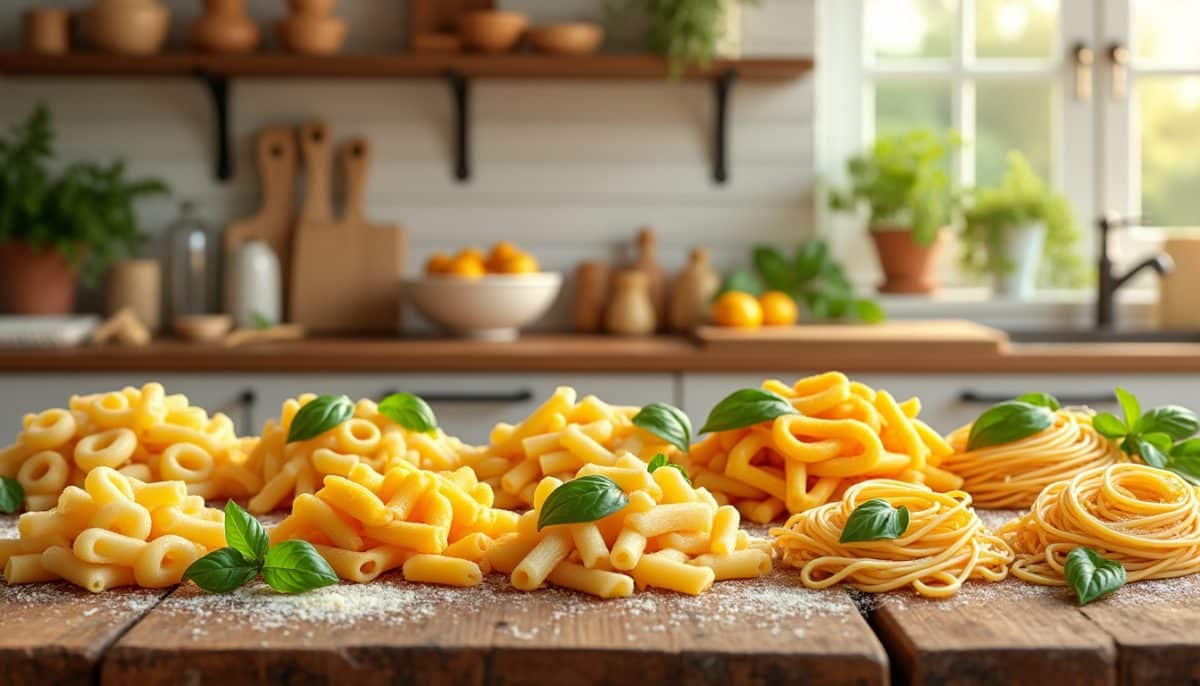
Exploring gluten-free pasta shapes opens up a world of culinary creativity for those navigating gluten sensitivities or simply seeking fresh homemade dishes. With control over ingredients and textures, homemade gluten-free pasta transforms mealtime, delivering both health benefits and delightful eating experiences. From intricate twists to hearty sheets, mastering various pasta shapes lets you tailor meals perfectly to any sauce or occasion. Here’s a detailed look at seven gluten-free pasta shapes you can make, blending tradition and innovation in your kitchen.
Classic Fettuccine: Versatile Gluten-Free Pasta for Rich Sauces
This long, ribbon-like shape is ideal for creamy or oil-based sauces, allowing the pasta to hold its texture without falling apart. To make gluten-free fettuccine, prepare your dough using a blend like 50% rice flour, 25% almond flour, and 25% cassava flour for optimal elasticity, adding xanthan gum to aid binding. Rolling the dough to a thickness of 1/16 inch ensures even cooking in just 2–3 minutes. Fettuccine pairs excellently with rich sauces such as Alfredo or garlic butter.
Crafting Fluently with Basic Tools or Pasta Machines
A rolling pin works well, though a pasta machine simplifies achieving uniform thickness and shape, especially when preparing larger batches. After rolling the dough thin, slice using a sharp knife or pasta cutter to form even ribbons. Ensuring the dough rests at least 30 minutes beforehand prevents cracking during rolling. Follow these steps for fresh, perfectly textured gluten-free fettuccine that holds sauce beautifully.
Delicate Ravioli: Gluten-Free Filled Pasta for Creative Meals
Ravioli offers a chance to combine fresh gluten-free dough with personalized fillings, such as seasoned ricotta or sautéed vegetables. Use a mixture of gluten-free flour blends and xanthan gum to create a pliable dough that seals well around fillings. Press edges tightly to avoid leaks, and cook in boiling salted water until the ravioli float, usually 3–4 minutes. This shape impresses guests and allows culinary experimentation without gluten concerns.
Pairing Ravioli with Light Sauces
Because ravioli carries rich fillings, lighter sauces like a simple sage butter or a delicate tomato broth complement without overpowering. Insiders recommend preparing fillings in advance and rolling out pasta sheets uniformly for consistent size and cooking times. This approach guarantees a restaurant-quality gluten-free pasta experience at home.
Rustic Rotini: Gluten-Free Spiral Pasta for Baked and Tossed Dishes
Rotini’s spiral shape retains chunky sauces and works perfectly in pasta salads or baked casseroles. Achieve flawless gluten-free rotini by rolling pasta dough into thin sheets, then shaping spirals by hand or with specialized cutters. Rice and corn flour blends provide firmness, reducing breakage during cooking. This shape’s ability to hold dressing or sauce makes it a go-to for lively, textured dishes that remain intact even after baking.
To read Gluten-Free Baobab Flour Smoothie Bowls African Tree Fruit
Cooking Tips for Gluten-Free Rotini
Cook rotini in plenty of salted water, stirring frequently to avoid sticking. Boiling time ranges from 7-9 minutes depending on thickness to prevent mushiness. After draining, tossing with olive oil helps maintain separation especially when used in cold salads. Its hearty structure makes it ideal for one-pot recipes loaded with vegetables and proteins, offering versatility for quick meals.
Elegant Pappardelle: Wide Gluten-Free Ribbons for Bold Sauces
Wider than fettuccine, pappardelle excels with robust meat or vegetable ragù, offering a satisfying bite and ample sauce pickup. Start with a compliant gluten-free dough, incorporating xanthan gum for elasticity. Roll dough out to 1/8 inch thickness and cut into broad strips around 3/4 inch wide. Pappardelle cooks quickly, typically 2-3 minutes, maintaining a tender yet firm texture.
Balancing Texture and Flavor in Pappardelle
Proper hydration of the dough before cutting ensures pliability and prevents tearing. Adding a drizzle of olive oil to the dough can contribute to a silkier texture. Pappardelle’s expansive surface invites bold sauce flavors, making classic marinara or mushroom ragù excellent pairings. For those new to homemade gluten-free pasta, pappardelle is surprisingly accessible with basic rolling tools.
Hearty Penne: Gluten-Free Tubular Pasta for Hearty Recipes
Penne’s rigid tubes are a favorite for baked gluten-free pasta dishes and rich, chunky sauces. Craft this shape by rolling out gluten-free dough and cutting diagonally into small tubes, ensuring edges remain firm and do not collapse during cooking. Flour blends rich in corn or cassava lend extra structure, vital for baking. For best results, parboil before baking to maintain balance between softness and bite.
Baking with Gluten-Free Penne
Oven-baked penne recipes benefit from sturdy pasta that withstands heat without becoming mushy. Use pre-boiled pasta, layering it with sauce, cheese, and proteins for a satisfying casserole. Brands like Barilla Gluten Free and Jovial offer pre-made options, but homemade penne can match texture and flavor when fashioned carefully. This shape is excellent for family dinners wanting both convenience and homemade quality.
Playful Fusilli: Twisted Gluten-Free Pasta for Colorful Presentations
Fusilli’s whimsical spiral shape cradles sauces and ingredients, making it popular in both warm dishes and cold pasta salads. This shape pairs well with ingredients like olives, feta, and fresh herbs. Handmade fusilli requires rolling small dough strips around a thin rod, then allowing them to rest on a drying rack to maintain shape during cooking.
Ensuring Fusilli Holds its Shape
Due to the twists, fusilli can be delicate. Using xanthan gum and a balanced flour mixture is key to keep dumpling integrity. Cooking time is around 7 minutes, and stirring occasionally avoids clumping. Fusilli adapts well to dishes like Mediterranean pasta salads or rich vegetable ragùs.
To read Gluten-Free Lucuma Powder Ice Cream Base Peruvian Superfruit
Wide Lasagna Sheets: Gluten-Free Layers for Classic Comfort
Lasagna sheets enable layered dishes, blending textures of pasta, cheese, and sauce beautifully. Rolling gluten-free dough into large thin sheets requires patience and proper resting to prevent cracking. Common flour blends reinforced with binding agents like xanthan gum produce the perfect elasticity. Sheets cook quickly and work well in recipes leveraging ingredients such as ricotta, marinara, or roasted vegetables.
Tips for Flawless Gluten-Free Lasagna
Parboiling sheets before layering prevents excess moisture and uneven baking. Combining sheets with robust sauces and balanced fillings creates a classical comfort meal that’s both gluten-free and satisfying. For those needing inspiration, loads of lasagna recipes featuring gluten-free pasta can be found online at places like neuchcup.ch and King Arthur Baking.
Discover brands like Banza, Tinkyada, Sam Mills, and Garofalo Gluten Free to source quality gluten-free pastas that inspire confidence and creativity in your cooking. Their blends incorporate legumes, corn, and rice to suit diverse preferences. For aficionados of homemade dough, exploring blends like DeLallo Gluten Free and Ancient Harvest can enhance your recipes, while Explore Cuisine and Ronco Gluten Free add variety to pantry essentials.

