Show index Hide index
- Key Ingredients for a Gluten-Free Quiche Crust That Holds Every Time
- Effective Techniques to Prevent Soggy Gluten-Free Quiche Crusts
- Rolling and Handling Your Gluten-Free Dough for Perfect Results
- Customizing Your Gluten-Free Quiche Filling Without Compromising Crust Integrity
- Tips for Storing and Serving Gluten-Free Quiche With Crisp Crust
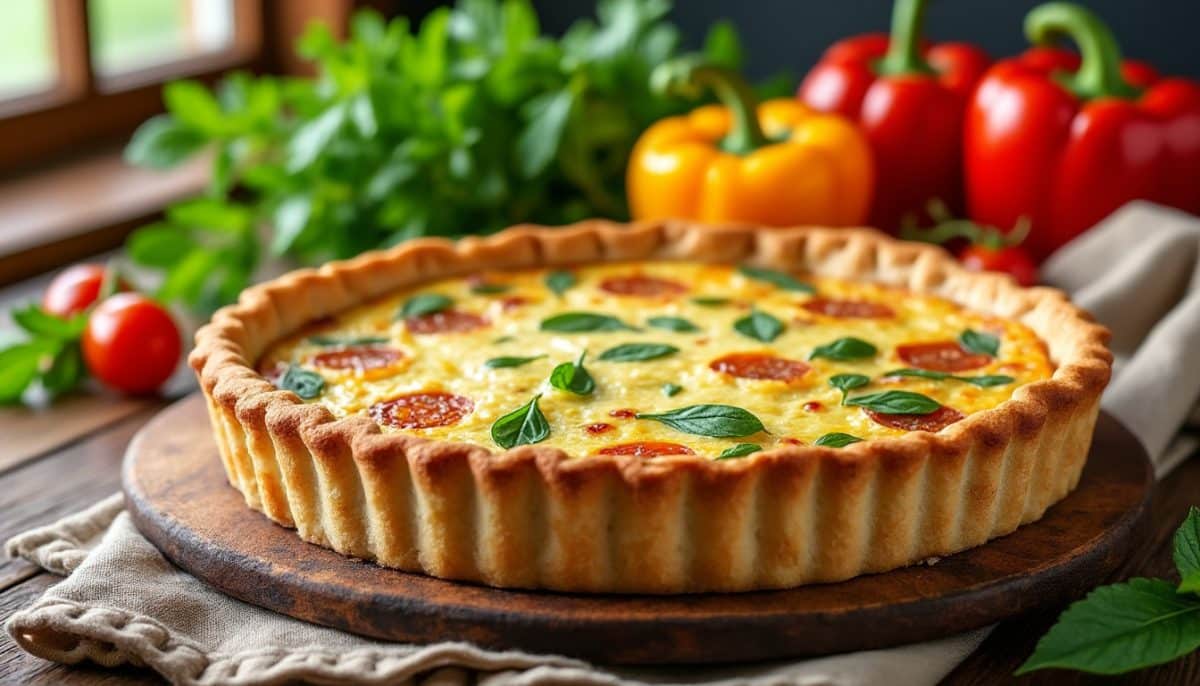
Mastering a gluten-free quiche crust that consistently holds its shape can feel like a puzzle. With gluten-free baking, the crust often crumbles or becomes soggy, leaving your quiche less than perfect. This guide ensures your gluten-free quiche crust stays firm and flaky every time, whether you’re making a savory breakfast or an elegant brunch dish. Here’s everything you need to know about making a gluten-free quiche crust that holds up beautifully.
Key Ingredients for a Gluten-Free Quiche Crust That Holds Every Time
Choosing the right ingredients is crucial for a flawless gluten-free crust. Start with a reliable gluten-free flour blend—brands like Bob’s Red Mill, King Arthur Baking Company, and Pamela’s Products offer excellent options. These blends often include a mix of rice flour, tapioca starch, and potato starch, providing structure and tenderness.
Xanthan gum plays a vital role as a binder, compensating for the lack of gluten. Adding cold, cubed butter—either traditional or alternatives like palm shortening from Simple Mills—ensures a flaky texture. Use precise measurements: about 1 ½ cups gluten-free flour blend, ¾ teaspoon xanthan gum, ½ cup chilled butter, 3 teaspoons sugar, ¾ teaspoon kosher salt, and 6 to 8 tablespoons ice water, adjusting based on humidity.
Effective Techniques to Prevent Soggy Gluten-Free Quiche Crusts
Moisture is the enemy of a crispy gluten-free crust. To keep your crust crisp and intact, parbake it before adding your filling. Use parchment paper and pie weights to prevent bubbling, baking at 375°F for about 10 to 12 minutes. Then, remove the weights, prick the base with a fork, and bake another 5 to 6 minutes until golden.
Brush the cooled crust with egg white and bake for a few minutes to create a moisture barrier layer that’s guaranteed to keep the filling from soaking in. This simple step, often overlooked, is a game-changer for a sturdy crust. Dry your vegetables thoroughly before mixing them into your quiche to avoid excess water releasing during baking.
Rolling and Handling Your Gluten-Free Dough for Perfect Results
Gluten-free dough can be sticky and fragile. Roll it between two sheets of plastic wrap or use a floured surface dusted lightly with a mix of gluten-free flour blends such as Cup4Cup or Glutino for easier handling. Aim for an even thickness around ¼ inch to ⅛ inch to ensure even baking.
To read Christmas Baking: Essential Tools and Recipes
Don’t overwork the dough; it should remain slightly crumbly with bits of butter visible. Shape the dough gently into a ball, flatten it into a disc, and chill it for at least an hour or overnight. Chilling helps hydrate the starches while firming the butter, delivering a flaky texture after baking.
Customizing Your Gluten-Free Quiche Filling Without Compromising Crust Integrity
While the crust keeps the quiche perfectly shaped, the filling defines the flavor. Combine eggs with dairy or non-dairy milk alternatives from Enjoy Life or Namaste Foods to create a creamy custard. Add vegetables like cooked spinach or sautéed mushrooms, making sure they are dry, to prevent sogginess. Proteins such as cooked bacon or ham complement the filling beautifully.
Consider 1 cup of chopped veggies and 1 cup of cheese (cheddar, parmesan, or dairy-free options) for balance. Season with garlic powder, salt, and pepper. Pour the filling over your cooled parbaked crust and bake at 350°F for 45 to 55 minutes until the center is set. Cover crust edges with foil if browning too quickly.
Tips for Storing and Serving Gluten-Free Quiche With Crisp Crust
Allow your quiche to cool for 10 minutes before slicing to let the custard set fully. Store leftovers in an airtight container and refrigerate up to 4 days. Reheat gently at 350°F for 20 to 25 minutes to refresh the crust’s crispness without drying out the filling.
You can freeze both the parbaked crust and the cooked quiche wrapped tightly in foil for up to three months. Thaw overnight in the fridge and reheat as needed — perfect for busy days or make-ahead meals.
For additional inspiration and detailed recipes, visit Cotter Crunch, Zestful Kitchen, and Gluten-Free Palate. These resources offer expert advice on gluten-free crusts and fillings that never fail.
Looking to explore further baking ideas? Check out amazing recipes for gluten-free flaky biscuits, pasta sauces, and cinnamon rolls to diversify your gluten-free repertoire.
To read Christmas Cake Pops: 4 Decorating Techniques Anyone Can Master

