Show index Hide index
- How to Achieve Soft and Fluffy Gluten-Free Sandwich Bread That Slices Well
- Rising and Baking for the Perfect Sliceable Loaf
- Recommended Flour Blends and Key Ingredients for Reliable Gluten-Free Bread
- Tips from Gluten-Free Baking Experts for Even Slices
- Exploring Top Gluten-Free Bread Brands and Homemade Recipe Comparisons
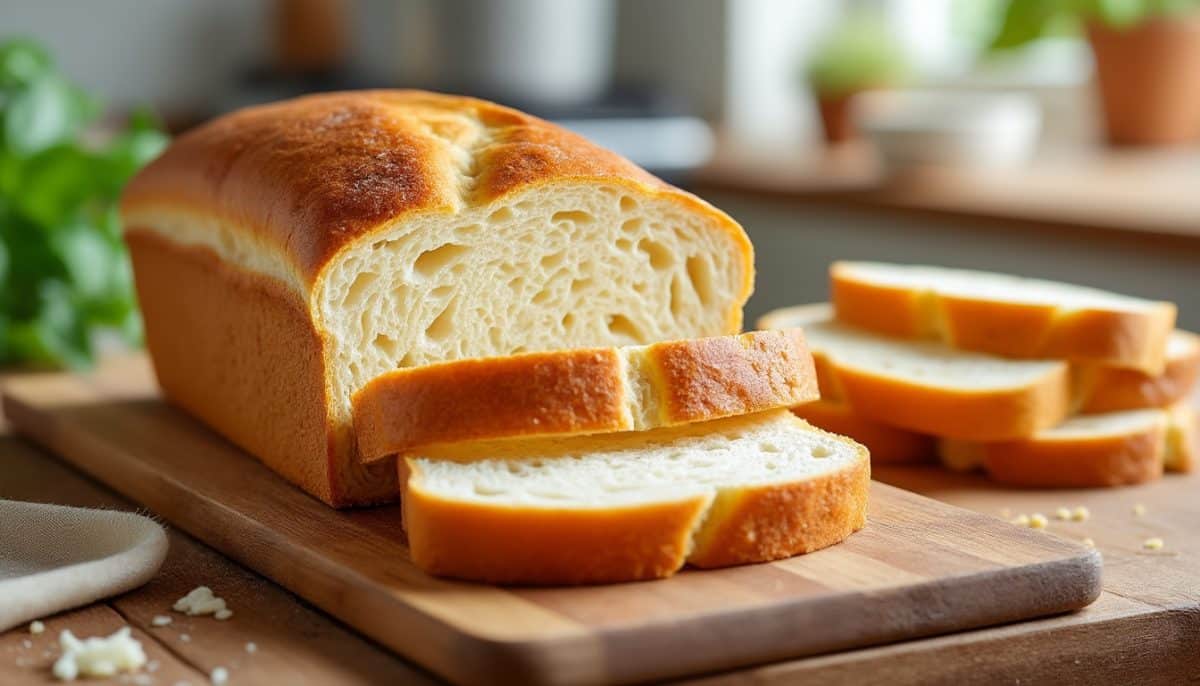
Finding the perfect gluten-free sandwich bread that holds its shape and slices without crumbling is a challenge many have faced. Many gluten-free breads are dense, crumbly, or just too soft to handle daily sandwich making. This guide offers a reliable recipe and method for soft, fluffy, and sliceable gluten-free sandwich bread that stands up to every kind of filling. Here’s everything you need to know about creating gluten-free sandwich bread that actually slices.
How to Achieve Soft and Fluffy Gluten-Free Sandwich Bread That Slices Well
Creating gluten-free bread that slices cleanly depends largely on the right balance of ingredients and technique. Ensuring the flour mixture, hydration, and rising times align perfectly is key. For example, brown rice flour forms the base, combined with potato starch and tapioca starch for elasticity and softness. Measuring these flours properly by spooning into measuring cups and leveling with a knife gives consistency to the dough’s texture.
Incorporating egg and butter enhances tenderness, while instant yeast and xanthan gum provide structure, replicating gluten’s role. Mixing the batter at high speed for three minutes injects vital air, creating a light, fluffy crumb that holds together rather than disintegrating on slicing. This method results in a dough similar in texture to thick buttercream, not typical yeast dough. This aeration process is crucial for producing loaf slices that stay intact.
Rising and Baking for the Perfect Sliceable Loaf
Gluten-free dough behaves differently and requires careful rising. After initial mixing, letting the dough rise for 90 minutes covered with a towel or loose plastic wrap lets it puff without completely doubling. Then, transferring the batter into a buttered 8 ½ by 4 ½ inch loaf pan and smoothing the top with dampened fingers or a spatula ensures a fine, uniform texture. This step removes air bubbles that would create holes, which detract from clean slicing.
The dough should be allowed to rise again until it just crowns above the pan’s edge—usually around 45 to 60 minutes—setting the stage for a structured crumb. Baking at 350°F for 25 minutes creates a golden crust that doesn’t harden excessively, ideal for easy slicing. Brushing the crust lightly with melted butter after baking seals in softness and adds flavor, making the bread a versatile base for breakfast or sandwiches.
Recommended Flour Blends and Key Ingredients for Reliable Gluten-Free Bread
Choosing the right flour blend influences how the bread slices and tastes. Brown rice flour, potato starch—not to be confused with potato flour—and tapioca starch form a reliable combination providing structure and softness. Xanthan gum works as a binder to emulate the elasticity of gluten. Sugar and instant yeast encourage fermentation for a light crumb, while butter and eggs bring richness and moisture.
To read Gluten-Free Baobab Flour Smoothie Bowls African Tree Fruit
Adding warm milk instead of water offers additional tenderness. This blend is proven to result in soft loaves that slice down to paper-thin pieces—up to 20 slices per 8 ½-inch loaf—making it perfect for sandwiches, toast, and even French toast recipes. Experimenting with brands like Canyon Bakehouse, Udi’s, or Schär can also provide insights into commercially successful blends, but homemade versions guarantee freshness and control over ingredients.
Tips from Gluten-Free Baking Experts for Even Slices
Several trusted gluten-free bread recipes from sources like Barefeet In The Kitchen and The Loopy Whisk emphasize crucial steps to help hold the dough’s shape. For instance, pressing the batter firmly in the pan before the final rise eliminates large bubbles and ensures a smooth top crust. This technique avoids uneven holes that disrupt slicing.
Many home bakers face the challenge of slicing bread either too thick or crumbling thin slices. Using a sharp serrated knife or an electric bread slicer can make all the difference. Allowing the bread to cool completely before slicing is a must—warm loaves are more fragile and prone to tearing. Pair this with a reliable recipe from America’s Test Kitchen or a cozy family favorite from Grace Walk Farm, and you’ll achieve perfect slices every time.
Exploring Top Gluten-Free Bread Brands and Homemade Recipe Comparisons
Popular gluten-free brands like Glutino, Little Northern Bakehouse, Katz Gluten Free, Promise Gluten Free, Ener-G, Three Bakers, and Rudi’s Gluten-Free offer convenient pre-made options. However, these breads often vary in texture, shelf life, and sliceability. While Canyon Bakehouse and Udi’s are praised for their bread that slices well with minimal crumbling, homemade recipes allow customization to achieve a softer crumb or thicker crust depending on your preference.
Trying recipes from reliable blogs such as Zest for Baking or A Lovely Nook can guide you in mastering your own gluten-free loaf without additives found in commercial products. Consistent measuring, timing, and technique shine through homemade bread’s quality and lasting freshness.
For more inspiration, check out gluten-free bread baking tutorials available at Barefeet In The Kitchen, Well Fed Baker’s guide, and A Saucy Kitchen’s recipe archive. Need a broader gluten-free baking overview? Visit this detailed gluten-free bread recipe page and explore additional methods for fluffy gluten-free sandwiches.

