Show index Hide index
- Creating the Perfect Soft and Salty Gluten-Free Pretzel Dough
- Steps to Shape and Bake Soft Gluten-Free Pretzels With a Salty Kick
- Gluten-Free Flour Blends and Essential Ingredients for Soft Pretzels
- Tips for Handling Gluten-Free Pretzel Dough and Baking Success
- Store-Bought Gluten-Free Pretzels and Brands to Trust
- Optimal Storage and Reheating Techniques to Maintain Softness and Flavor
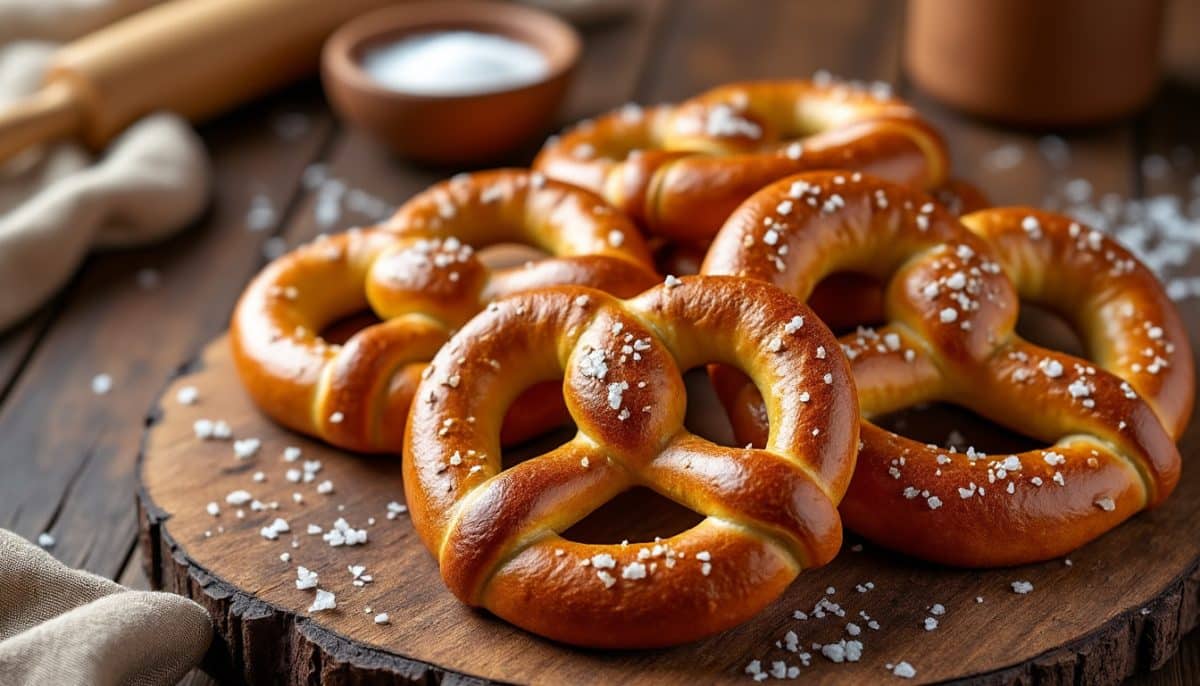
The craving for a warm, soft pretzel often hits just when gluten intolerance stands in the way. Luckily, gluten-free soft pretzels offer the perfect salty snack fix without compromising texture or flavor. These hand-crafted treats provide a golden crust and fluffy interior, mimicking traditional pretzels with a twist of allergy-conscious ingredients. Here’s everything you need to know about making irresistibly soft and salty gluten-free pretzels at home.
Creating the Perfect Soft and Salty Gluten-Free Pretzel Dough
The magic behind a soft and salty gluten-free pretzel starts with the dough. Unlike wheat dough, gluten-free dough relies on specialized blends to achieve that characteristic chewy yet soft texture. Combining gluten-free all-purpose flour blends, such as GFJules or mixes recommended by King Arthur Baking, with baking powder offers the necessary lift and structure.
Adding Greek yogurt or dairy-free alternatives introduces moisture and tenderness, creating a pliable dough that’s easy to shape. For the salty punch, kosher or pretzel salt sprinkled generously before baking infuses taste deeply into the crust. Effective mixing is critical; using a stand mixer helps the dough come together smoothly, pulling away from the bowl sides in 2–3 minutes, ready for a brief knead to enhance elasticity.
Steps to Shape and Bake Soft Gluten-Free Pretzels With a Salty Kick
Once the dough is ready, divide it into 5 equal portions. Roll each into an 11- to 12-inch rope on a non-stick silicone mat for ease, then create the classic pretzel loop by folding one side and crossing over the other. The dough’s stretchiness lets you reshape if needed, ensuring a uniform look without effort.
Brush the pretzels liberally with melted butter or olive oil to encourage browning and help the salt stick during baking. A quick dip in baking soda water before baking at 425°F for about 12–15 minutes deepens the crust’s color and gives that sought-after chewiness similar to traditional pretzels. This boiling step is optional but highly recommended to enhance flavor and texture, as highlighted in the detailed guide by Serious Eats.
Gluten-Free Flour Blends and Essential Ingredients for Soft Pretzels
Not all gluten-free flours perform equally. Brown rice flour and tapioca starch contribute to softness and stretch, while almond or sorghum flour introduce subtle nutty notes and nutritional benefits. Look for pre-mixed blends tailored for baking to ensure consistency, frequently containing xanthan gum or guar gum to mimic gluten’s adhesive qualities.
To read Christmas Baking: Essential Tools and Recipes
Salt plays a dual role—mixed into the dough for base flavor and sprinkled atop to provide crunch and visual appeal. Incorporating natural sweeteners like honey or maple syrup can balance this saltiness, while apple cider vinegar acts as a natural leavening aid, improving the dough’s rise and softness.
Experimentation is encouraged; for example, creative variations with Sweet Cinnamon Sugar coatings or savory infusions like garlic butter give each batch a personal signature.
Tips for Handling Gluten-Free Pretzel Dough and Baking Success
Gluten-free dough is often stickier and less elastic, so lightly oiling hands and surfaces prevents sticking. Avoid over-kneading to keep the dough tender, and allow a short rest period to hydrate the flours fully. Maintaining consistency with measurements via a kitchen scale improves results significantly.
Instead of boiling, some enjoy brushing pretzels with a baking soda wash for a lighter crust, which suits those prioritizing ease over the traditional bite. Whether boiling or brushing, coating pretzels with butter or olive oil before and right after baking ensures a golden crust rich in flavor.
Store-Bought Gluten-Free Pretzels and Brands to Trust
When time is tight, several brands like Snyder’s of Hanover, Glutino, and Udi’s offer reliable gluten-free pretzel sticks that complement homemade versions. For soft pretzels, Katz Gluten Free and Quinn bring bakery-quality options with chewy textures comparable to wheat-based counterparts.
If you seek allergen-conscious snacks, brands like Enjoy Life and Simple Mills produce gluten-free pretzels with cleaner ingredient lists, while Schär and Pretzelmaker are popular for their expansive gluten-free bakery lines.
Retailers such as Aldi and Trader Joe’s regularly stock gluten-free pretzel varieties; watch for seasonal soft pretzel options in Aldi’s “liveGfree” line. Shoppers can find specialty selections through online platforms offering convenient delivery.
To read Christmas Cake Pops: 4 Decorating Techniques Anyone Can Master
Optimal Storage and Reheating Techniques to Maintain Softness and Flavor
Gluten-free soft pretzels keep best when cooled fully and stored in airtight containers at room temperature up to two days. For longer storage, freeze individually wrapped pretzels to preserve moisture. Reheating in an oven at 350°F for 8–10 minutes or using an air fryer at 330°F for 4–6 minutes restores their fresh-baked texture better than microwaving.
Wrapping in foil before reheating locks in softness, ensuring that these salty delights remain as enjoyable as the moment they came out of the oven.
For deeper dives into gluten-free snack ideas and party dips that pair perfectly with pretzels, explore other treasures like this gluten-free snacks guide and party dips recipes, sure to elevate your gluten-free gatherings.

